Quick Summary:Choosing between Flat Handle Paper Bags and Twisted Handle Paper Bags is a strategic business decision that goes beyond appearance. The right handle style affects customer comfort, packaging efficiency, transportation costs, brand perception, and long-term purchasing value.
This guide compares both handle styles from a commercial perspective, helping retailers, food service businesses, and premium brands select the most suitable packaging solution according to their products, customers, and operational goals.
By understanding the strengths of each handle design, buyers can improve packaging performance, strengthen brand positioning, and make more informed procurement decisions.
Introduction
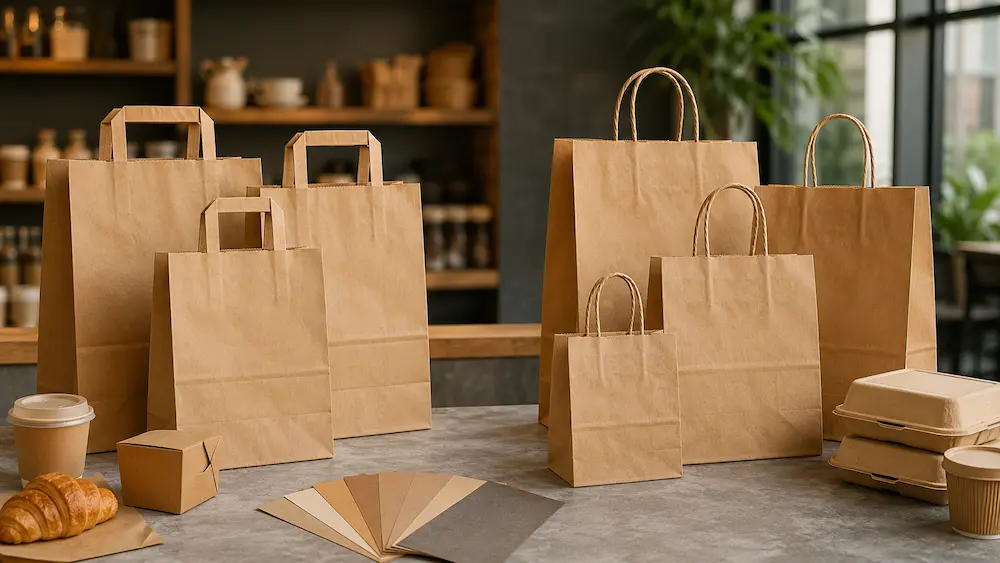
When businesses purchase premium paper bags for the first time, they often compare paper weight, printing quality, and bag dimensions while overlooking one important detail—the handle.
However, the handle is one of the first features customers interact with. It influences how comfortable the bag feels, how premium the packaging appears, and whether customers perceive the brand as practical or sophisticated.
Many buyers ask a simple question:
Should I choose Flat Handle Paper Bags or Twisted Handle Paper Bags?
The answer depends entirely on your business goals rather than the bag itself.
A supermarket processing thousands of takeaway orders every week has completely different packaging priorities from a luxury bakery or boutique retailer. Choosing the wrong handle style may increase costs, reduce customer satisfaction, or weaken brand presentation.
Instead of comparing specifications first, successful buyers begin by understanding how packaging supports their business strategy.
This guide explains how experienced purchasing teams evaluate both handle styles before making long-term packaging decisions.
Define Your Packaging Objective Before Comparing Handles
Professional buyers rarely start by asking which handle looks better.
Instead, they first identify what the packaging is expected to achieve.
For most businesses, paper bags serve one or more of the following objectives:
- Improve customer experience
- Support premium brand positioning
- Increase packaging efficiency
- Reduce operating costs
- Protect products during transport
- Strengthen sustainability initiatives
Once these priorities are clear, choosing the appropriate handle becomes much easier.
For example, a café serving hundreds of takeaway coffees each morning will evaluate packaging very differently from a luxury chocolate retailer preparing premium gift purchases.
The packaging should always support the business model—not the other way around.
A Buying Decision Matrix for Premium Packaging
Rather than comparing technical specifications immediately, many purchasing managers first compare operational priorities.
The following decision matrix provides a practical starting point.
| Business Priority | Recommended Handle |
|---|---|
| Lower packaging costs | Flat Handle |
| Faster order preparation | Flat Handle |
| Luxury retail presentation | Twisted Handle |
| Premium customer experience | Twisted Handle |
| High-volume takeaway service | Flat Handle |
| Boutique shopping bags | Twisted Handle |
| Elegant gift packaging | Twisted Handle |
| Maximum operational efficiency | Flat Handle |
This approach allows buyers to eliminate unsuitable options before discussing materials, printing, or finishing techniques.
Think Beyond Manufacturing Costs
Many purchasing decisions focus almost entirely on the unit price of the paper bag.
Professional buyers, however, evaluate the total cost of ownership.
Questions worth considering include:
- How quickly can staff pack products?
- How efficiently can the bags be stored?
- Will customers carry heavy items?
- How often will the packaging be reused?
- Does the packaging reflect the product price?
These operational factors often have a greater impact on long-term costs than the difference of a few cents per bag.
A slightly more expensive handle style may improve customer satisfaction enough to justify the additional investment.
Different Businesses Require Different Packaging Priorities
No single handle style is suitable for every industry.
The correct choice depends on how customers purchase, carry, and experience your products.
Restaurants and Quick-Service Businesses
Restaurants usually prioritize speed, consistency, and packaging efficiency.
Large takeaway operations often purchase paper bags bulk for high volume packaging programs because standardized packaging improves storage, simplifies inventory management, and supports fast order fulfillment during busy service periods.
For businesses focused on operational efficiency, flat handles often provide an effective balance between cost and performance.
Premium Gift Retailers
Gift packaging serves a very different purpose.
Customers purchasing premium gifts expect the packaging to enhance the overall presentation before the gift is even opened.
Businesses sourcing gift bags bulk for high volume gifting programs frequently choose twisted handles because they create a more refined appearance while offering greater carrying comfort.
For luxury retail, the packaging becomes part of the product itself rather than simply protecting it.
Customer Expectations Continue to Change
Today’s customers pay closer attention to packaging than ever before.
A well-designed paper bag communicates quality before customers experience the product.
Premium packaging can influence:
- Brand perception
- Customer confidence
- Social media sharing
- Repeat purchases
- Overall shopping satisfaction
This is why many successful brands evaluate paper bags according to customer experience instead of production cost alone.
Choosing the correct handle style becomes part of delivering a consistent brand experience from purchase to final use.
The Best Handle Depends on Your Brand Position
There is no universal winner between Flat Handle Paper Bags and Twisted Handle Paper Bags.
Instead, each style performs better under different commercial conditions.
Businesses should consider:
- Product category
- Average order weight
- Customer demographics
- Brand positioning
- Sales channel
- Daily packaging volume
By matching the handle style with these factors, companies can improve packaging performance while creating a more consistent customer experience.
Brand Perception: What Your Handle Style Says About Your Business
Every packaging decision communicates something about your brand, even when customers don’t consciously notice it.
The handle is a small detail, but it contributes to the overall impression of quality, professionalism, and value.
When two businesses sell products of similar quality, packaging often becomes the deciding factor in how customers remember the experience.
Flat Handle Paper Bags Reflect Practical Efficiency
Flat Handle Paper Bags are commonly associated with businesses that value simplicity and operational efficiency.
They are an excellent choice for companies where customers expect:
- Fast service
- Reliable packaging
- Functional design
- Everyday convenience
This makes flat handles particularly suitable for:
- Supermarkets
- Convenience stores
- Quick-service restaurants
- Cafés
- Bakery takeaway counters
For these businesses, customers usually appreciate packaging that is practical rather than decorative.
Twisted Handle Paper Bags Create a Premium Impression
Twisted Handle Paper Bags naturally communicate a higher level of refinement.
The rounded handles provide a more comfortable grip while creating a stronger visual impression during the shopping experience.
Businesses commonly choose twisted handles when packaging plays an important role in brand positioning, including:
- Luxury retail stores
- Gourmet food shops
- Premium bakeries
- Boutique cafés
- Wine and specialty food retailers
For brands targeting premium customers, the packaging often becomes part of the product experience rather than simply a method of transportation.
Hidden Operating Costs Buyers Often Ignore
Many purchasing teams compare quotations based only on unit price.
However, experienced buyers understand that packaging costs extend far beyond the cost of manufacturing each bag.
Ignoring these hidden expenses can result in higher overall operating costs.
Storage Efficiency
Flat Handle Paper Bags generally occupy less storage space because of their simple construction.
Businesses processing thousands of orders every week often benefit from:
- Easier warehouse organization
- Higher carton utilization
- Faster inventory handling
- Lower storage costs
Companies operating from smaller retail locations may also appreciate the reduced storage requirements.
Packing Speed
Packaging efficiency has a direct impact on labour costs.
Flat handles are often quicker for employees to prepare during busy service periods, making them well suited to businesses with continuous takeaway orders.
Twisted handles may require slightly more attention during packing, but they often provide a better customer experience for premium purchases.
The best choice depends on whether speed or presentation is the higher priority.
Transportation Costs
Packaging design also affects logistics.
Buyers should consider:
- Carton dimensions
- Shipping volume
- Container loading efficiency
- Warehouse space utilization
These factors become increasingly important when ordering large production quantities.
Match the Handle Style to the Products You Sell
Rather than asking which handle is stronger, buyers should evaluate how customers actually use the packaging.
Lightweight Everyday Purchases
Products such as:
- Coffee
- Sandwiches
- Bread
- Small pastries
- Convenience foods
generally do not require luxury presentation.
For these applications, Flat Handle Paper Bags usually provide excellent value while maintaining dependable carrying performance.
Medium-Weight Retail Purchases
When customers purchase multiple products together, comfort becomes more important.
Examples include:
- Gourmet food
- Delicatessen products
- Boutique shopping
- Gift items
- Premium bakery collections
Twisted handles often improve the carrying experience while supporting a more premium brand image.
Natural Packaging for Sustainable Brands
Businesses emphasizing sustainability often select brown paper bags with handles for natural and reliable carry because the natural kraft appearance reinforces environmentally responsible branding while providing dependable performance for daily retail and food service applications.
For organic retailers, artisan bakeries, farm shops, and eco-conscious cafés, natural kraft packaging often communicates authenticity more effectively than heavily decorated designs.
Customer Comfort Influences Repeat Business
Packaging is often carried for several minutes after the purchase.
Although this seems like a small detail, customer comfort influences how people remember their shopping experience.
Questions buyers should consider include:
- Will customers walk long distances?
- Are products relatively heavy?
- Will multiple items be packed together?
- Is the packaging likely to be reused?
When comfort becomes an important part of the customer journey, investing in a more comfortable handle may provide long-term value that extends beyond the initial purchase.
Compare Value Instead of Price
Professional buyers rarely ask:
“Which paper bag is cheaper?”
Instead, they ask:
“Which paper bag creates the best value for our business?”
Evaluating packaging from this perspective helps balance:
- Customer satisfaction
- Brand presentation
- Operational efficiency
- Long-term purchasing costs
- Sustainability objectives
A well-planned purchasing decision supports both business performance and customer experience.
Real Buying Scenarios: Which Handle Style Works Best?
The best packaging decision is rarely based on theory alone. Professional buyers usually compare real business situations before selecting a handle style.
Looking at practical examples makes it easier to determine which option delivers the greatest value.
Scenario 1: A Growing Coffee Chain
A regional coffee chain serves hundreds of takeaway drinks and bakery products every day.
Its priorities include:
- Fast packing
- Low packaging costs
- Easy storage
- Consistent supply
Because customer interaction with the bag is relatively short, Flat Handle Paper Bags provide an efficient solution without compromising functionality.
Scenario 2: A Premium Chocolate Boutique
A luxury chocolate retailer focuses on presentation as much as the product itself.
Customers often purchase gifts for birthdays, holidays, and corporate events.
The business values:
- Elegant presentation
- Comfortable carrying
- Premium brand image
- High-quality finishing
Twisted Handle Paper Bags become the better choice because they complement the premium positioning of the products.
Scenario 3: A Multi-Location Bakery
A bakery chain operates several stores with different customer profiles.
Morning takeaway orders require speed, while weekend gift purchases demand a more refined presentation.
Instead of selecting only one handle style, the business introduces two packaging solutions:
- Flat Handle Paper Bags for everyday takeaway service
- Twisted Handle Paper Bags for premium bakery collections and seasonal promotions
This flexible approach improves operational efficiency while creating a better customer experience for higher-value purchases.
Questions Every Buyer Should Ask Before Ordering
Choosing between Flat Handle Paper Bags and Twisted Handle Paper Bags becomes much easier when purchasing decisions are based on business requirements rather than personal preference.
Before requesting quotations, consider the following questions:
- How heavy are the products?
- How long will customers carry the bag?
- Is packaging part of the brand experience?
- Will the bags be reused?
- Does the packaging need premium printing?
- How much warehouse space is available?
- What is the expected annual purchasing volume?
Answering these questions helps narrow the most suitable option before discussing pricing.
A Practical Purchasing Checklist
Successful packaging projects usually follow a structured evaluation process rather than comparing suppliers based only on cost.
| Evaluation Item | Buyer Consideration |
|---|---|
| Product Weight | Can the handle comfortably support the load? |
| Brand Position | Does the handle match the desired brand image? |
| Customer Experience | Will customers find the bag comfortable to carry? |
| Daily Order Volume | Is the handle suitable for operational efficiency? |
| Storage Capacity | Can the bags be stored efficiently? |
| Printing Requirements | Does the design support the desired branding? |
| Budget Planning | Does the long-term value justify the investment? |
| Supplier Reliability | Can the manufacturer maintain consistent quality? |
This checklist allows purchasing teams to compare packaging options using measurable business criteria instead of subjective opinions.
Common Buying Mistakes
Even experienced buyers occasionally choose packaging that does not fully support their business objectives.
Recognizing common mistakes helps avoid unnecessary costs and future adjustments.
Choosing Based Only on Appearance
A handle that looks premium is not always the best solution.
If the business focuses on speed and high-volume takeaway service, appearance alone should not determine the purchasing decision.
Ignoring Long-Term Operating Costs
The lowest quotation does not always produce the lowest overall cost.
Businesses should also evaluate:
- Packing efficiency
- Warehouse utilization
- Shipping costs
- Customer satisfaction
- Repeat purchasing consistency
Looking beyond the unit price often results in better long-term value.
Using One Bag Style for Every Product
Many businesses assume one packaging solution can serve every application.
However, product categories often have different requirements.
For example:
- Everyday takeaway orders may benefit from Flat Handle Paper Bags.
- Premium retail purchases may require Twisted Handle Paper Bags.
Using multiple packaging solutions allows businesses to improve both efficiency and customer experience.
Choosing the Right Handle Creates Better Packaging Performance
Successful packaging starts with business objectives rather than product specifications. Flat Handle Paper Bags and Twisted Handle Paper Bags each offer distinct commercial advantages depending on customer expectations, operational efficiency, and brand positioning.
The most cost-effective packaging is not always the lowest-priced option. Professional buyers evaluate storage efficiency, packing speed, transportation costs, customer experience, and long-term operational performance before making purchasing decisions.
Premium brands often benefit from a flexible packaging strategy. Using different handle styles for different product categories allows businesses to optimize costs while maintaining a premium shopping experience where it delivers the greatest value.
Partnering with an experienced paper bag manufacturer further improves packaging consistency. Reliable suppliers provide stable production quality, customized solutions, and long-term support that help businesses build stronger packaging systems and more recognizable brands.
Final Thought: The right handle style is more than a packaging detail—it influences customer satisfaction, operational efficiency, and the overall success of premium packaging programs.
Conclusion
Choosing between Flat Handle Paper Bags and Twisted Handle Paper Bags is not about deciding which product is universally better.
The right choice depends on how the packaging supports your business objectives.
Companies focused on operational efficiency, fast service, and large purchasing volumes often benefit from Flat Handle Paper Bags because they simplify storage, improve packing speed, and help control packaging costs.
Businesses that emphasize premium presentation, customer experience, and brand differentiation frequently prefer Twisted Handle Paper Bags because they create a stronger visual impression and offer greater carrying comfort.
Rather than selecting a handle based solely on appearance or price, businesses should evaluate packaging according to product type, customer expectations, daily operations, and long-term brand strategy.
The most successful premium packaging solutions are those that balance functionality, presentation, and commercial value.
FAQ
Which handle style is more suitable for premium packaging?
Twisted Handle Paper Bags are generally preferred for premium packaging because they offer a more refined appearance and improved carrying comfort. However, Flat Handle Paper Bags can also be an excellent choice for premium brands that value minimalist design and operational efficiency.
Are Flat Handle Paper Bags strong enough for takeaway food?
Yes. High-quality Flat Handle Paper Bags provide reliable strength for most takeaway meals, bakery products, coffee orders, and grocery purchases when manufactured with suitable paper weight and construction.
Are Twisted Handle Paper Bags more expensive?
Twisted Handle Paper Bags usually have higher production costs because of their handle construction. Many businesses consider the additional investment worthwhile when premium presentation and customer experience are important.
Which handle style is better for high-volume orders?
Flat Handle Paper Bags are often the preferred option for high-volume packaging because they simplify storage, improve packing efficiency, and help reduce overall operating costs.
Can businesses use both handle styles?
Yes. Many retailers, bakeries, and restaurants use Flat Handle Paper Bags for everyday operations while reserving Twisted Handle Paper Bags for premium products, seasonal collections, or gift packaging.
What should buyers consider before choosing a handle style?
Buyers should evaluate product weight, customer carrying distance, brand positioning, packaging budget, storage capacity, order volume, printing requirements, and overall customer experience before making a purchasing decision.
References
- Paper Bag Structural Engineering Guidelines
Reference for handle attachment methods, load capacity, paper bag construction, and structural durability. - Premium Retail Packaging Design Handbook
Reference for luxury packaging design, consumer psychology, premium branding, and shopping experience. - Food Service Packaging Performance Standards
Reference for takeaway packaging, bakery packaging, restaurant operations, and high-volume paper bag applications. - Sustainable Paper Packaging Industry Reports
Reference for kraft paper materials, recyclable packaging, environmentally responsible manufacturing, and sustainable retail packaging. - Packaging Procurement and Supply Chain Best Practices
Reference for supplier evaluation, packaging standardization, manufacturing quality control, and wholesale purchasing strategies.
Editorial Rights Notice:The editorial content on this page was prepared by Xiamen Youngpack Imp.and Exp.Co.,Ltd. for our website visitors and business partners. Please do not reuse it without written approval.