Quick Summary:Buying paper bags with handles for your brand requires more than comparing sizes or prices. Successful buyers focus on packaging strategy, customer experience, quality consistency, and long-term supply planning.
A professional sourcing approach helps brands, retailers, and wholesale buyers create packaging systems that improve recognition, support growth, and maintain reliable production.
Choosing the right manufacturing partner allows companies to develop stronger packaging solutions for future business expansion.
Introduction
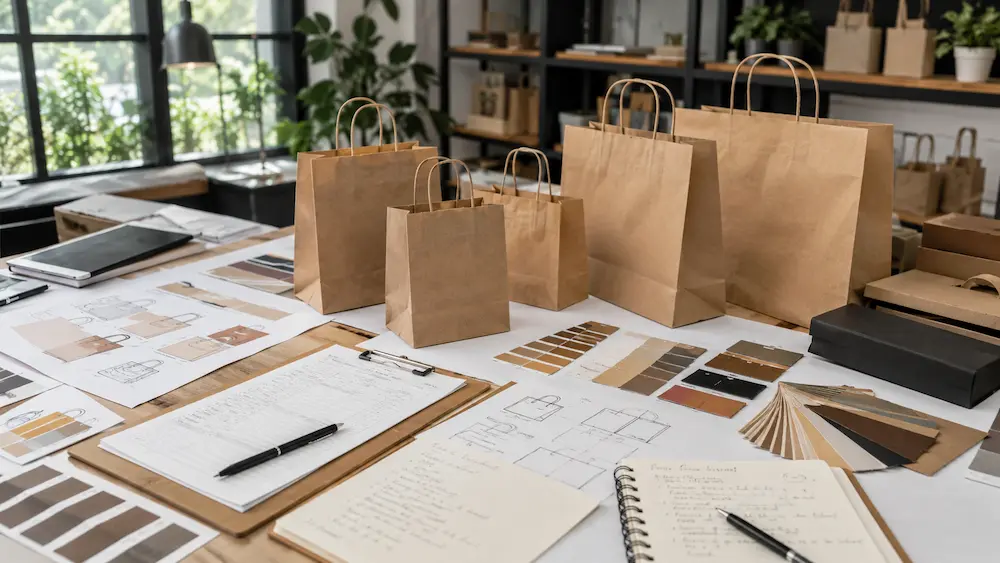
Many businesses start sourcing paper bags with handles by asking a simple question:
“How much does one bag cost?”
While pricing is important, experienced brand owners and wholesale buyers usually think differently.
They ask:
“How can our packaging create better customer experience and support long-term brand growth?”
A paper bag is not only a product container.
It represents:
- Brand identity
- Customer impression
- Product positioning
- Shopping experience
For retailers, restaurants, fashion brands, and large companies, packaging is often one of the first physical connections between customers and the brand.
A well-designed packaging system can improve recognition and create stronger relationships with customers.
When sourcing paper bags with handles from China, buyers should consider more than production price.
Successful purchasing requires evaluating:
- Design purpose
- Material selection
- Quality standards
- Supplier ability
- Future growth needs
The goal is not simply buying bags.
The goal is building a packaging solution that supports the brand.
Define Your Brand Packaging Purpose First
Before selecting specifications, professional buyers should understand why they need packaging.
Different brands have different goals.
Some companies need:
- Practical daily packaging
- Cost-efficient solutions
- Large quantity supply
Others focus more on:
- Premium presentation
- Customer experience
- Brand communication
The right packaging choice depends on business positioning.
Understand Your Customer Journey
Customers interact with packaging in multiple ways:
- Seeing the bag
- Holding the handle
- Carrying the product
- Remembering the brand
Every step influences their impression.
This is why paper bags with handles should combine both function and presentation.
Packaging as a Brand Communication Tool
Modern packaging communicates without explanation.
Important details include:
- Colour style
- Bag structure
- Logo position
- Material feeling
A consistent design helps customers recognise the brand faster.
Brand packaging should support both practical use and customer communication. For modern brands, packaging is no longer only used to carry products; it helps create recognition, improve customer interaction, and strengthen the overall shopping experience.
Many companies choose paper bags with handles for easy carry and brand display because they provide practical carrying performance while supporting consistent brand presentation across retail stores, food businesses, and promotional channels.
Match Bag Design with Customer Experience
A successful packaging project should consider how customers actually use the bag.
Design decisions should support real situations.
Handle Experience
Handles are one of the most important interaction points.
Customers notice:
- Carrying comfort
- Strength
- Convenience
Different applications may require different handle styles.
For example:
- Retail shopping
- Food takeaway
- Gift packaging
- Promotional events
Each market has different expectations.
Structure and Practical Use
A beautiful bag must also perform well.
Important factors include:
- Product weight
- Carrying distance
- Storage conditions
- Daily handling
Strong structure improves customer confidence and reduces packaging problems.
Appearance and Brand Value
Visual presentation affects customer perception.
Brands should consider:
- Does the packaging match the product?
- Does it represent the company style?
- Does it create the right feeling?
Good packaging creates consistency between product value and customer expectations.
Material Selection and Brand Positioning
Material choice should match brand positioning, customer expectations, and practical application needs.
The right material and structure help brands balance appearance, functionality, and customer experience.
Many businesses include brown paper bags with handles for natural and reliable carry in their packaging strategy when they want a practical solution that supports a natural presentation and dependable daily use.
Choosing Materials Based on Application
Different industries require different packaging solutions.
Food brands may focus on:
- Practical handling
- Daily use
- Suitable strength
Retail brands may focus on:
- Appearance
- Customer presentation
- Shopping experience
Wholesale buyers should select materials based on actual requirements rather than only appearance.
Brand Packaging Planning Matrix
| Area | Purpose |
|---|---|
| Size System | Maintain consistency across products |
| Material Choice | Support brand positioning |
| Handle Style | Improve customer experience |
| Design Rules | Strengthen recognition |
| Supplier Records | Support repeat production |
Build a Consistent Paper Bags with Handles Packaging System
For growing brands and wholesale buyers, successful packaging development is not only about creating one attractive design.
A strong paper bags with handles strategy requires building a complete packaging system.
This system helps companies maintain:
- Stable brand presentation
- Easier purchasing management
- Better customer experience
- More efficient repeat orders
Many businesses expand from one product line into multiple markets.
Without clear packaging standards, growth can create unnecessary complexity.
Why Packaging Consistency Matters for Brands
Customers recognise brands through repeated experiences.
If every order looks different, it becomes difficult to build strong recognition.
A consistent packaging system controls:
- Bag dimensions
- Material direction
- Printing standards
- Structural requirements
This allows brands to keep the same identity across different products, stores, and markets.
Standard Size Planning
Growing brands usually need multiple packaging sizes.
However, too many random sizes can create problems:
- Complicated inventory
- Higher management costs
- Difficult repeat purchasing
Professional buyers usually create standard size groups based on product categories.
For example:
Small sizes:
- Accessories
- Small gifts
- Lightweight products
Medium sizes:
- Retail products
- Food packaging
- Daily shopping
Large sizes:
- Fashion items
- Larger purchases
- Commercial applications
Create Clear Packaging Specifications
A complete packaging specification should include:
- Material information
- Size details
- Handle requirements
- Printing information
- Packing methods
Clear documentation improves communication with suppliers and reduces production mistakes.
Balance Customisation and Production Efficiency
Custom packaging helps brands create stronger market identity.
However, successful customisation requires planning.
More design variations do not always create better results.
Professional buyers focus on strategic customisation.
Manage Logo and Design Versions
As brands grow, they may create packaging for:
- Different product lines
- Seasonal campaigns
- Regional markets
- Special events
Without management, too many versions can increase complexity.
A better strategy is maintaining core brand elements while adjusting selected details.
Support Marketing Without Losing Efficiency
Packaging can support:
- New product launches
- Promotions
- Customer campaigns
But each new design should consider:
- Production requirements
- Inventory impact
- Long-term usability
The best packaging systems combine creativity with operational efficiency.
Quality Control for Brand Packaging
Quality consistency is one of the biggest concerns for wholesale buyers.
A strong design loses value if production quality changes between orders.
Professional sourcing focuses on controlling every stage.
Approved Sample Control
Approved samples help confirm:
- Final appearance
- Material choice
- Structure
- Printing effect
They become the standard reference for future production.
This is especially important for repeat orders.
Colour and Printing Management
Brand colours are part of identity.
Small differences may affect customer perception.
Professional buyers should manage:
- Artwork files
- Colour references
- Printing standards
Clear information helps manufacturers maintain consistency.
Handle Strength Testing
Because handles directly affect customer experience, testing is important.
Important checks include:
- Handle connection
- Carrying performance
- Material strength
Reliable packaging should perform well during normal customer use.
Wholesale Buying Strategy for Growing Brands
As brands expand, packaging purchasing becomes more strategic.
A small business may only focus on the next order.
A growing company needs a long-term supply plan.
Plan Future Packaging Demand
Growing brands should consider:
- Monthly usage
- Seasonal demand
- Market expansion
- New product development
Better planning improves:
- Production efficiency
- Cost control
- Supply stability
Growing brands should plan packaging purchasing based on future demand instead of only focusing on one short-term order.
A clear purchasing strategy helps businesses manage inventory, maintain consistent quality, and prepare for future expansion.
For companies managing larger supply requirements, paper bags bulk for high volume packaging programs support repeat purchasing, stable availability, and efficient packaging management as order volumes increase.
Avoid Emergency Purchasing
Last-minute packaging orders often create problems:
- Limited material options
- Higher costs
- Shorter approval time
- Increased quality risks
Professional buyers usually create purchasing schedules with suppliers.
Develop a Long-Term Supplier Relationship
A packaging supplier should not only complete one production order.
For brand development, a strong supplier supports:
- Future improvements
- New packaging ideas
- Technical recommendations
- Production planning
Long-term cooperation creates more stable results.
Choosing a China Supplier for Brand Development
When sourcing paper bags with handles from China, choosing the right supplier is an important business decision.
A reliable manufacturer should provide more than production capacity.
They should support brand growth.
Development Capability
Professional suppliers help buyers improve:
- Packaging structure
- Material selection
- Production efficiency
This creates better solutions over time.
Communication and Project Management
International sourcing requires clear communication.
Important abilities include:
- Understanding requirements
- Managing details
- Providing updates
- Maintaining records
Good communication reduces sourcing risks.
Production Consistency
For wholesale buyers and established brands, repeat quality matters.
A supplier should maintain:
- Production files
- Material records
- Quality standards
This helps future orders remain consistent.