Quick Summary:Choosing the right printing options for food paper bags requires balancing design quality, material compatibility, production quantity, cost efficiency, and long-term brand consistency.
Food service brands should compare flexographic printing, offset printing, and digital printing based on their packaging goals, customer expectations, and business requirements.
A professional printing strategy helps restaurants, cafés, bakeries, and takeaway brands improve recognition while maintaining reliable packaging quality.
Introduction
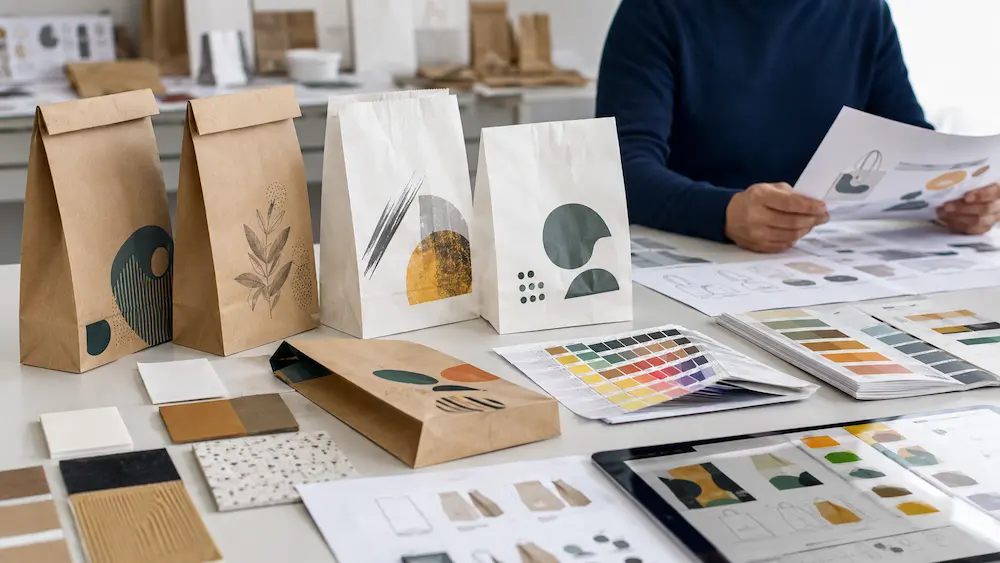
For modern food service brands, food paper bags are no longer only used as simple carrying solutions.
They have become an important part of:
- Customer experience
- Brand communication
- Product presentation
- Marketing strategy
When customers leave a restaurant, bakery, or café, packaging continues representing the brand.
Many businesses start printing projects by asking:
“How can our logo look better?”
However, experienced packaging buyers usually ask:
“Which printing option matches our material, budget, production quantity, and long-term brand needs?”
A beautiful design is important, but successful food paper bags printing requires a balance between:
- Printing technology
- Paper material
- Production efficiency
- Cost management
- Brand consistency
Understanding different printing options helps food service companies choose packaging that supports both daily operations and future growth.
Why Printing Choice Matters for Food Paper Bags
Printing is one of the strongest ways to transform ordinary packaging into a brand communication tool.
For restaurants and food companies, every printed bag creates a customer touchpoint.
Packaging as Daily Brand Exposure
Customers interact with packaging during:
- Takeaway orders
- Food delivery
- Shopping experiences
- Events
A well-designed printed bag helps improve:
- Brand recognition
- Professional appearance
- Customer memory
Food packaging printing should combine appearance, function, and customer experience.
Many restaurants and takeaway brands develop custom food bags for fresh and secure packaging because customized printing, suitable materials, and practical structures help create professional packaging experiences while protecting food quality.
Printing Quality Influences Customer Perception
Customers may judge packaging quality before they experience the product.
Important visual factors include:
- Logo clarity
- Colour accuracy
- Design balance
- Material appearance
Consistent printing helps create stronger trust.
Match Printing with Business Positioning
Different brands require different printing strategies.
A quick-service restaurant may focus on:
- Simple logos
- Efficient production
- Cost control
A premium bakery may require:
- Detailed artwork
- Rich colours
- Luxury presentation
The best printing option depends on business goals.
Flexographic Printing for High-Volume Food Packaging
Flexographic printing is one of the most common solutions for large-volume printed food paper bags.
It is widely used in commercial packaging production.
Advantages of Flexographic Printing
Flexographic printing supports:
- Large production quantities
- Fast printing speed
- Stable results
- Cost efficiency
It works well for:
- Restaurant chains
- Coffee brands
- Takeaway businesses
- Food retailers
When Should Food Brands Choose Flexographic Printing?
This option is suitable when brands need:
- Repeat orders
- Consistent designs
- Large packaging quantities
For businesses using thousands of bags regularly, production efficiency becomes important.
Things Buyers Should Consider
Flexographic printing usually requires preparation before production.
Buyers should confirm:
- Artwork details
- Printing colours
- Production quantity
- Long-term usage plans
Good preparation helps improve printing results.
Offset Printing for Premium Food Paper Bags
Offset printing is often selected when brands need more detailed visual effects.
It provides high-quality results suitable for premium packaging.
Benefits of Offset Printing
Offset printing provides:
- Sharp details
- Accurate colours
- Smooth graphics
- Premium presentation
It is commonly used for:
- Bakeries
- Specialty food brands
- Gift packaging
- Premium product lines
Creating Higher Brand Value
Premium packaging is not only about appearance.
It creates a stronger emotional connection with customers.
High-quality printing can make products feel more valuable.
Offset Printing Considerations
Before choosing offset printing, buyers should consider:
- Design complexity
- Material choice
- Order quantity
- Packaging goals
A professional supplier can recommend whether this option fits the project.
Digital Printing for Flexible Packaging Projects
Digital printing provides another option for modern food brands.
It is especially useful when flexibility is important.
Advantages of Digital Printing
Digital printing supports:
- Faster design changes
- Seasonal campaigns
- Promotional packaging
- Testing new concepts
Food businesses can adjust packaging more easily.
Suitable Applications
Digital printing works well for:
- New product launches
- Limited campaigns
- Small design tests
- Marketing events
It helps brands respond quickly to changing customer preferences.
Choosing Between Flexographic, Offset, and Digital Printing
| Printing Method | Best Application | Main Advantage |
|---|---|---|
| Flexographic Printing | High-volume food packaging | Production efficiency |
| Offset Printing | Premium food packaging | Detailed presentation |
| Digital Printing | Flexible projects | Fast customization |
Choosing Printing Based on Paper Materials
The best printing method for food paper bags depends strongly on the selected paper material.
Different papers have different:
- Surface textures
- Ink absorption
- Colour effects
- Visual styles
Professional food brands should match printing techniques with material characteristics instead of choosing only based on appearance.
Kraft Paper Bag Printing
Kraft paper is one of the most popular materials for food service packaging.
It is commonly selected by:
- Coffee shops
- Restaurants
- Bakeries
- Natural food brands
The natural texture of kraft paper creates a simple and authentic packaging style.
Printing Characteristics of Kraft Paper
Kraft paper works well with:
- Minimalist designs
- Dark colour printing
- Natural branding styles
- Simple logo presentations
Because brown kraft paper has a natural base colour, very bright colours may appear different compared with white paper.
Sustainable Branding with Kraft Materials
Kraft paper usually works best with designs that highlight natural textures and sustainable brand values.
Many food service brands choose custom kraft bags for sustainable branding and packaging because kraft materials support natural visual styles, flexible printing solutions, and environmentally focused brand communication.
This makes kraft packaging suitable for brands that want a balance between:
- Practical performance
- Natural appearance
- Brand storytelling
White Paper Printing Options
White paper provides a cleaner background for printing.
It is often selected when brands require:
- Bright colours
- Detailed graphics
- Strong visual contrast
White food paper bags are commonly used for:
- Premium takeaway
- Dessert packaging
- Retail food products
Advantages of White Paper Printing
White surfaces help achieve:
- Better colour accuracy
- Clear logo presentation
- More design flexibility
Brands with detailed artwork often choose white materials to improve visual results.
Coated Paper Printing Options
Coated paper provides a smoother surface.
It supports:
- High-quality graphics
- Premium colour effects
- Detailed designs
This option is often used when packaging appearance is a major part of product value.
Material and Printing Selection Table
| Paper Material | Printing Focus | Suitable Brands |
|---|---|---|
| Brown Kraft Paper | Natural design style | Coffee, organic food |
| White Kraft Paper | Colour accuracy | Restaurants, bakeries |
| Recycled Paper | Simple branding | Sustainable brands |
| Coated Paper | Premium graphics | Luxury food products |
Control Colour Consistency and Brand Identity
For food service brands, printing consistency is often more important than creating one perfect sample.
Customers recognize brands through repeated experiences.
Different batches of packaging should maintain the same appearance.
Why Colour Control Matters
Brand colours represent identity.
Problems such as:
- Different logo shades
- Incorrect colour matching
- Unstable printing results
can weaken brand recognition.
Use Approved Colour Standards
Professional buyers usually confirm:
- Artwork files
- Colour references
- Approved samples
- Production requirements
These standards help manufacturers maintain consistency.
Repeat Order Colour Management
Restaurants and food chains often reorder packaging many times.
Reliable suppliers should maintain:
- Previous production records
- Material consistency
- Printing references
This helps future orders match previous packaging.
Balance Printing Cost and Branding Value
Choosing printing options for custom food paper bags is not simply about selecting the most expensive process.
The best choice depends on business goals.
When Simple Printing Works Better
Simple designs are often effective for:
- Daily takeaway packaging
- Fast-service restaurants
- High-volume orders
A clean logo can create strong recognition without unnecessary complexity.
When Premium Printing Adds Value
Advanced printing may be useful for:
- Luxury food brands
- Gift products
- Specialty stores
Premium presentation can increase perceived product value.
Match Printing Investment with Usage
Different daily packaging applications require different printing investment levels.
For cafés, bakeries, and takeaway businesses, paper lunch bags for convenient and fresh meal carry often use practical printing solutions that balance brand visibility, cost efficiency, and everyday customer use.
Professional buyers evaluate:
- Customer expectations
- Packaging volume
- Brand positioning
- Budget planning
Printing Cost Decision Table
| Business Need | Recommended Direction |
|---|---|
| Daily Food Service | Simple effective printing |
| Chain Restaurants | Consistent bulk production |
| Premium Products | High-quality visual effects |
| Seasonal Campaigns | Flexible printing solutions |
Prepare a Printing Checklist Before Production
Before confirming mass production, food brands should review all printing details carefully.
A clear approval process helps avoid mistakes.
Artwork Confirmation
Check:
- Logo size
- File quality
- Design position
- Colour requirements
Material Confirmation
Confirm:
- Paper type
- Surface texture
- Thickness requirements
- Printing compatibility
Sample Approval
Before bulk production, review:
- Actual colours
- Print clarity
- Material feeling
- Overall appearance
A physical sample provides the most reliable reference.
Food Paper Bags Printing Checklist
| Check Point | Purpose |
|---|---|
| Artwork File | Ensure accurate production |
| Colour Standard | Maintain brand consistency |
| Material Choice | Match printing method |
| Sample Approval | Reduce production risk |
| Supplier Review | Support repeat orders |
Common Printing Mistakes Food Service Brands Should Avoid
Choosing the right printing option for food paper bags requires more than selecting attractive artwork.
Many printing problems happen because brands focus only on design appearance and ignore production details.
A professional printing strategy should consider:
- Material compatibility
- Colour standards
- Production quantity
- Customer usage
- Long-term consistency
Avoiding common mistakes helps food service businesses create better packaging results.
Mistake 1: Choosing Printing Methods Only by Price
Cost is always important when developing printed food paper bags.
However, the cheapest printing option may not always create the best result.
Low-cost decisions without considering performance may cause:
- Poor colour presentation
- Limited design quality
- Inconsistent repeat orders
- Weak brand appearance
Professional buyers compare total value, including:
- Printing quality
- Production stability
- Customer impression
- Supplier reliability
Mistake 2: Ignoring Paper Material Differences
Different materials produce different printing effects.
For example:
Brown kraft paper:
- Natural appearance
- Softer colour results
- Simple branding style
White paper:
- Stronger colour brightness
- Higher contrast
- More design flexibility
Choosing a printing method without considering materials may create unexpected results.
Mistake 3: Creating Overly Complicated Designs
More design elements do not always create better packaging.
Simple designs often perform well because they provide:
- Clear brand recognition
- Easier production control
- Better repeat consistency
Effective food packaging focuses on communication, not decoration.
Mistake 4: Not Confirming Samples Before Production
Digital previews cannot completely show final packaging results.
Physical samples help confirm:
- Actual colours
- Paper texture
- Printing clarity
- Overall customer experience
Sample approval is one of the most effective ways to prevent production mistakes.
Mistake 5: Ignoring Repeat Order Consistency
Many food businesses reorder packaging regularly.
Without clear standards, future orders may have:
- Colour differences
- Material changes
- Printing variations
Maintaining records and approved samples helps protect long-term brand identity.
Future Trends in Food Paper Bags Printing
Printing technology and customer expectations continue to develop.
Food service brands are moving toward smarter, more flexible, and more meaningful packaging solutions.
Trend 1: Sustainable Printing Solutions
Sustainability continues influencing packaging decisions.
Future printing development will focus on:
- Responsible material selection
- Efficient printing processes
- Practical design choices
Brands will look for packaging solutions that combine appearance, performance, and responsibility.
Trend 2: Minimalist Brand Design
Many modern food brands are moving toward simpler packaging styles.
Minimalist printing focuses on:
- Strong logo placement
- Clear messages
- Recognizable identity
Simple designs can often create stronger customer memory.
Trend 3: Flexible Printing Programs
Food brands increasingly need packaging flexibility.
Future printing projects may include:
- Seasonal campaigns
- Limited product launches
- Special events
- Multiple design collections
Flexible printing options help businesses respond faster to market changes.
Trend 4: Stronger Packaging Storytelling
Packaging is becoming a communication platform.
Food brands use printed bags to express:
- Brand values
- Product quality
- Customer connection
A well-designed food paper bag printing strategy creates more than decoration.
It builds customer relationships.
Building a Better Food Paper Bags Printing Strategy
Successful printing decisions connect design, production, and business goals.
A complete strategy includes:
Design Planning
↓
Material Selection
↓
Printing Method Choice
↓
Sample Approval
↓
Quality Control
↓
Repeat Production Management
This process helps brands maintain consistent packaging results.
Final Printing Option Checklist
| Question | Purpose |
|---|---|
| Does printing match the material? | Improve final appearance |
| Is the method suitable for order quantity? | Control production efficiency |
| Are colours clearly confirmed? | Maintain brand identity |
| Has a sample been approved? | Reduce production risks |
| Is supplier experience verified? | Support future orders |
| Can quality remain consistent? | Protect customer experience |
How Better Printing Choices Improve Food Paper Bags Performance
Successful printing starts with the right strategy: Food service brands should select printing methods based on materials, order quantity, customer expectations, and long-term packaging goals.
Material compatibility improves final results: Kraft paper, white paper, recycled materials, and coated surfaces require different printing approaches to achieve professional packaging effects.
Colour consistency protects brand identity: Approved artwork files, samples, and supplier quality control systems help maintain reliable results across repeat orders.
Printing value goes beyond decoration: Well-designed food paper bags support customer experience, brand recognition, and stronger market positioning.
The larger takeaway: The best printing option is not always the most complex choice. It is the solution that connects visual impact, production efficiency, cost control, and long-term food service growth.
Conclusion
Choosing the best printing options for food paper bags requires balancing creativity, performance, and production needs.
Food service brands should consider:
- Packaging materials
- Printing methods
- Colour standards
- Customer expectations
- Order quantities
- Supplier capability
The right printing solution helps restaurants, cafés, bakeries, and takeaway companies create packaging that improves:
- Brand recognition
- Customer experience
- Product presentation
- Long-term consistency
Professional packaging printing is not only about adding a logo.
It is about creating a reliable visual identity that customers remember.
FAQ
What printing method is best for food paper bags?
The best printing method depends on order quantity, material type, design requirements, and brand goals. Flexographic printing works well for large orders, offset printing supports premium designs, and digital printing offers flexibility.
Can kraft food paper bags be printed?
Yes. Kraft food paper bags can be printed with logos and custom designs. Simple artwork, natural colours, and clear branding usually work especially well with kraft paper textures.
Which printing option is suitable for large food packaging orders?
Flexographic printing is commonly used for large-volume food packaging orders because it provides efficient production, stable results, and good cost performance.
How can food brands maintain printing consistency?
Brands can maintain consistency by using approved artwork files, colour references, physical samples, supplier production records, and quality control processes.
Is digital printing suitable for food paper bags?
Digital printing can be suitable for smaller projects, seasonal campaigns, testing new designs, and flexible packaging programs where frequent updates are needed.
How should buyers choose a food paper bag printing supplier?
Buyers should evaluate printing experience, material knowledge, customization ability, sample support, quality control systems, and long-term production reliability.
References
- Packaging Printing Technology and Production Guidelines
Reference for flexographic printing, offset printing, digital printing applications, and packaging production processes. - Food Packaging Quality and Branding Research Reports
Reference for customer experience, brand recognition, visual communication, and printed packaging performance. - Paper Material and Printing Compatibility Standards
Reference for kraft paper printing, white paper applications, ink performance, and material selection. - Commercial Packaging Colour Management Guidelines
Reference for colour matching, repeat order consistency, artwork control, and printing quality systems. - Sustainable Food Packaging Development Studies
Reference for responsible material choices, modern packaging trends, and sustainable printing solutions.
Official Website Content:This article is original content from Xiamen Youngpack Imp.and Exp.Co.,Ltd. It was prepared for our official website and may not be reproduced or redistributed without prior consent.