Ordering Custom Printed Paper Bags in bulk requires much more than comparing prices. Successful procurement depends on standardized specifications, artwork approval, production sampling, quality inspection, logistics planning, and supplier collaboration. Following these best practices helps businesses reduce risks, improve brand consistency, optimize shipping efficiency, and build a reliable long-term packaging supply chain.
Introduction
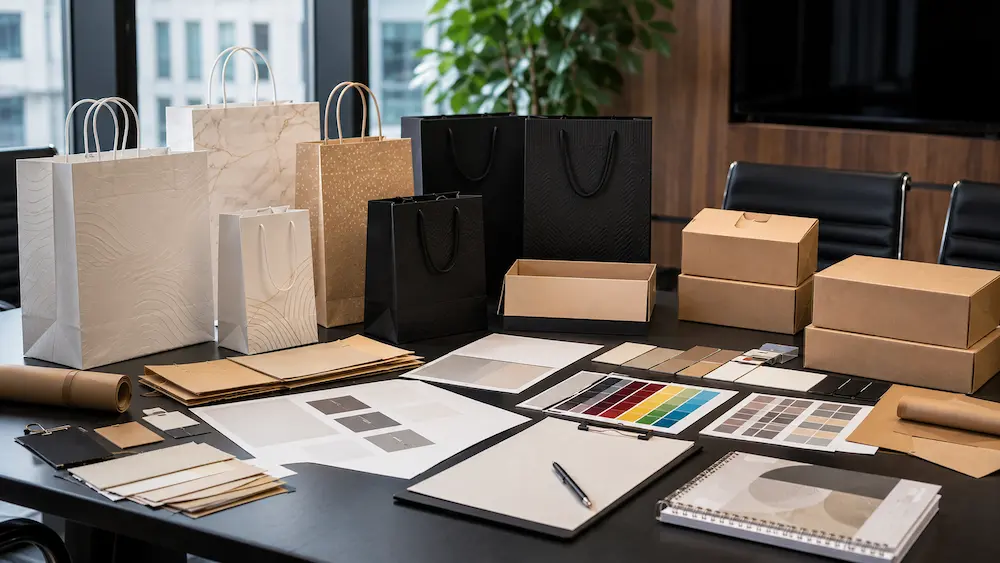
Bulk purchasing can significantly reduce packaging costs, improve inventory planning, and create consistent branding across every customer touchpoint. However, it also increases the financial impact of every decision.
If an order contains incorrect artwork, inconsistent colours, unsuitable paper materials, or inaccurate dimensions, the mistake affects thousands of bags instead of hundreds.
This is why experienced procurement managers treat Custom Printed Paper Bags differently from small production runs. Every stage—from planning and artwork approval to quality inspection and shipment—must follow a structured process.
Rather than focusing only on price, successful brands concentrate on reducing risk while building a packaging system that supports long-term growth.
Whether you manage retail stores, cafés, supermarkets, fashion brands, bakeries, or premium gift businesses, following proven purchasing practices helps ensure every bulk order delivers consistent quality and commercial value.
Plan Your Bulk Order Before Requesting Quotations
Many businesses request quotations before fully defining what they actually need.
Professional buyers take the opposite approach.
Before contacting suppliers, establish the following information:
- Annual purchasing volume
- Expected delivery schedule
- Target sales markets
- Packaging budget
- Product categories
- Brand positioning
- Inventory capacity
Providing complete information allows suppliers to recommend more suitable production solutions instead of preparing quotations based on assumptions.
Better planning also reduces the number of specification changes later in the project.
Standardize Your Packaging Specifications
One of the most common reasons for inconsistent packaging is changing specifications between different production runs.
Small changes in paper weight, dimensions, printing colours, or handle construction often create noticeable differences in appearance and performance.
Professional buyers develop detailed packaging specifications before placing their first bulk order.
These specifications normally include:
- Bag dimensions
- Paper material
- Paper weight (GSM)
- Handle type
- Printing method
- Surface finish
- Colour standards
- Packing requirements
Before approving artwork, many brands first establish consistent design standards by developing custom printed paper bags for strong brand recognition. Maintaining consistent logos, typography, colours, and layouts across every production run strengthens brand recognition while reducing unnecessary revisions in future orders.
Documenting these standards creates a repeatable purchasing system that supports long-term brand consistency.
Build Your Artwork Approval Process
Artwork approval should never be treated as a final step.
Instead, it should become a structured review process involving marketing, purchasing, and production teams.
Before approving production files, verify:
- Logo positioning
- Brand colours
- Font accuracy
- Image resolution
- Bleed settings
- Safe margins
- Barcode placement
- Regulatory information
Approving artwork carefully before production begins is considerably less expensive than correcting printing errors after thousands of bags have already been manufactured.
Professional brands maintain archived production files so repeat orders can be completed with minimal adjustments.
Don’t Skip Pre-Production Samples
Even when working with a trusted supplier, production samples remain an essential part of quality assurance.
A physical sample allows buyers to evaluate both technical performance and visual presentation before mass production starts.
Review the sample under realistic conditions by checking:
- Printing quality
- Colour consistency
- Paper texture
- Handle strength
- Folding accuracy
- Product fit
- Customer presentation
Testing samples with actual products also helps identify practical issues that may not appear during digital reviews.
Skipping this stage often results in costly production corrections later.
Separate Everyday Orders from Premium Packaging
Many brands make the mistake of ordering one packaging style for every product line.
A more effective strategy is to separate packaging according to customer expectations and product value.
For example:
| Product Category | Packaging Strategy |
|---|---|
| Everyday Retail | Standard custom printed bags |
| Seasonal Promotions | Premium printed bags |
| Corporate Gifts | Luxury presentation |
| Holiday Campaigns | Limited-edition packaging |
| VIP Collections | High-end branded bags |
Many retailers reserve custom printed gift bags for memorable brand presentation for luxury collections, holiday campaigns, and corporate gifting while using standard printed shopping bags for everyday retail sales.
This approach balances premium presentation with efficient cost management.
Plan Carton Packing Before Production Begins
Packaging doesn’t end when the paper bags leave the production line.
One of the most overlooked aspects of ordering Custom Printed Paper Bags in bulk is carton planning. Poor carton design can increase freight costs, reduce warehouse efficiency, and even damage finished products during transportation.
Before production starts, discuss carton specifications with your supplier.
Important considerations include:
- Carton dimensions
- Number of bags per carton
- Carton strength
- Moisture protection
- Pallet compatibility
- Container loading efficiency
Professional buyers often request optimized carton sizes that maximize container space while ensuring the bags remain in excellent condition throughout shipping.
Well-planned carton packaging not only reduces logistics costs but also simplifies warehouse handling and inventory management.
Develop a Quality Inspection Plan Before Shipment
Waiting until the shipment arrives to inspect quality is one of the biggest mistakes bulk buyers can make.
Instead, establish an inspection plan before production begins.
A professional quality inspection for Custom Printed Paper Bags should include:
| Inspection Item | Quality Standard |
|---|---|
| Bag Dimensions | Match approved specifications |
| Paper Weight | Confirm agreed GSM |
| Printing Quality | Clear graphics and accurate colours |
| Handle Strength | Secure attachment and comfortable grip |
| Surface Finish | Clean without scratches or stains |
| Folding Accuracy | Uniform construction |
| Carton Labels | Correct product information |
| Packing Quantity | Matches purchase order |
For larger orders, many buyers also arrange third-party inspections before shipment to confirm production quality before the goods leave the factory.
A structured inspection process reduces the risk of receiving products that fail to meet expectations.
Think Beyond Today’s Order
Successful brands don’t purchase packaging one order at a time.
They develop packaging systems that can grow alongside the business.
As customer expectations and sustainability requirements continue to evolve, many companies gradually expand their packaging portfolio by introducing custom kraft bags for sustainable branding and packaging. This allows brands to strengthen their environmental positioning while maintaining consistent visual identity and premium product presentation.
Planning future packaging requirements today helps reduce redesign costs and simplifies procurement as the business expands.
Create a Repeat Order Management System
One reason experienced buyers achieve consistent packaging is that they rarely start from scratch.
Instead, they maintain a complete record of every approved production specification.
Information worth documenting includes:
- Approved artwork files
- Pantone colour references
- Paper specifications
- Bag dimensions
- Handle construction
- Printing methods
- Surface finishes
- Carton specifications
- Packing quantities
- Inspection reports
A well-organized repeat order system allows suppliers to reproduce Custom Printed Paper Bags more accurately while reducing approval time for future orders.
It also minimizes the risk of unexpected changes caused by missing files or outdated specifications.
Common Bulk Ordering Mistakes
Large production runs leave very little room for error.
Understanding common purchasing mistakes helps businesses avoid unnecessary costs and production delays.
Changing Specifications During Production
Changing paper weight, dimensions, or artwork after production has started often results in additional costs and schedule delays.
Complete all approvals before manufacturing begins.
Ordering Too Many Product Variations
While offering multiple packaging designs may seem attractive, excessive SKU variation complicates inventory management and increases production complexity.
Whenever possible, standardize packaging across compatible product lines.
Rushing Artwork Approval
Artwork errors become significantly more expensive when they affect thousands of bags.
Always allow enough time for multiple internal reviews before approving final production files.
Ignoring Logistics Costs
The lowest manufacturing quotation does not always produce the lowest total cost.
Freight, warehousing, pallet utilization, and handling efficiency should all be included when comparing bulk packaging suppliers.
Build Long-Term Value Instead of One-Time Savings
Bulk purchasing is not simply about reducing the unit price.
It is about creating a packaging system that delivers consistent quality, efficient operations, and reliable supply over many years.
Brands that invest in standardized specifications, structured quality control, organized documentation, and long-term supplier relationships usually experience:
- More consistent packaging quality
- Faster repeat orders
- Better inventory control
- Lower operating costs
- Stronger brand recognition
- Improved customer confidence
These advantages often generate far greater value than negotiating a small discount on a single production order.