Quick Summary:Choosing kraft paper bags for retail packaging requires understanding materials, GSM strength, sizes, handles, branding options, and supplier capabilities.
Beginner buyers should focus on creating packaging solutions that balance product protection, customer experience, cost efficiency, and long-term brand development.
A structured kraft packaging strategy helps retail stores, restaurants, supermarkets, and online businesses build reliable packaging systems.
Introduction
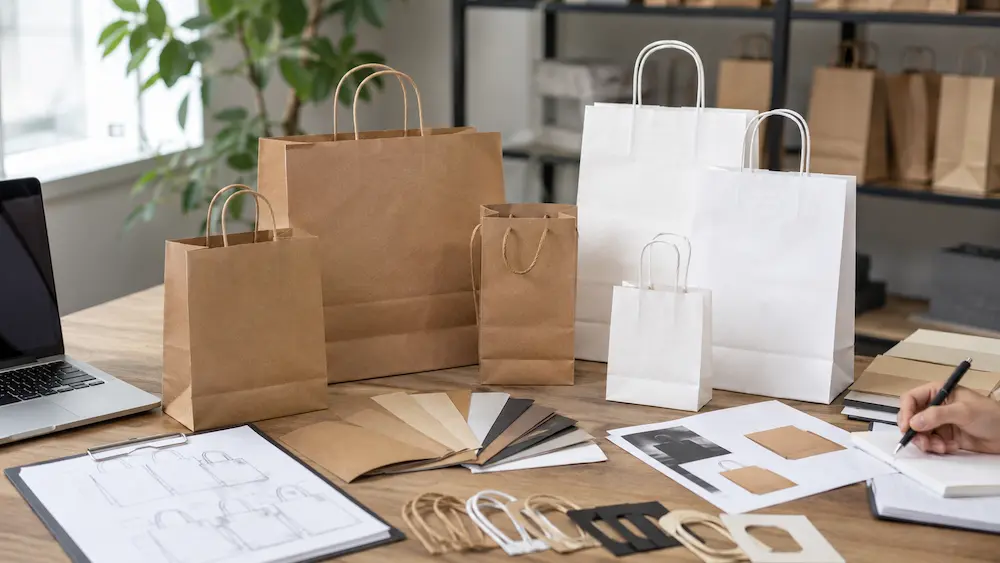
For many new retail businesses, buying kraft paper bags seems like a simple process.
The first questions are usually:
“What size do I need?”
or
“How much does each bag cost?”
Although these questions are important, professional packaging decisions require a deeper understanding.
A kraft paper bag is not only a container for carrying products.
It influences:
- Customer experience
- Brand image
- Product protection
- Store presentation
- Future purchasing efficiency
Whether you operate a coffee shop, bakery, fashion store, supermarket, or online business, choosing the right kraft packaging helps create a better connection with customers.
Modern retail buyers need to consider:
- Material type
- Paper strength
- Size selection
- Handle design
- Printing options
- Supplier reliability
For beginners, understanding these basic factors helps avoid costly mistakes and creates a stronger packaging foundation.
Working with an experienced kraft packaging supplier China partner can also help businesses develop solutions that match their products and market expectations.
What Are Kraft Paper Bags?
Kraft paper bags are packaging solutions made from kraft paper materials known for their strength, natural appearance, and wide application range.
The word “kraft” comes from a manufacturing process designed to create strong paper fibres.
Compared with many regular paper materials, kraft paper is valued because it provides:
- Better durability
- Natural texture
- Flexible customization options
- Practical everyday performance
Why Kraft Paper Structure Matters
The strength of kraft paper comes from its fibre structure.
Good kraft paper provides better resistance during:
- Carrying
- Folding
- Handling
- Daily retail use
This makes kraft paper suitable for different industries.
Common Uses of Kraft Paper Bags
Kraft bags are widely used in:
- Retail stores
- Grocery shops
- Restaurants
- Bakeries
- Gift packaging
- Promotional events
Their simple appearance allows brands to create different packaging styles.
Why Retail Brands Choose Kraft Paper Bags
Retail brands choose kraft packaging because it provides a balance between function, appearance, and customer acceptance.
Modern customers often prefer packaging that feels:
- Simple
- Practical
- Natural
- Reliable
This makes kraft paper a popular choice across many industries.
Practical Performance for Daily Retail
Retail packaging needs to work in real environments.
Customers may carry:
- Clothing
- Food items
- Gifts
- Daily products
A good paper bag should provide enough strength while maintaining a professional appearance.
Kraft paper has become popular because it provides a balance between durability, natural appearance, and practical retail performance.
Many retailers, restaurants, and growing brands choose kraft paper bags for sustainable and natural packaging when they need everyday packaging solutions that support reliable use and a simple eco-conscious appearance.
Customer Friendly Appearance
Kraft packaging creates a warm and natural impression.
Many brands use kraft paper bags because they match:
- Minimal design styles
- Eco-focused branding
- Modern retail trends
The appearance communicates simplicity without losing professionalism.
Flexible Branding Possibilities
Although kraft paper looks simple, it provides many customization opportunities.
Brands can create different styles through:
- Logo printing
- Colours
- Handles
- Size combinations
Understanding Different Kraft Paper Types
Before ordering kraft paper bags, beginners should understand common material options.
Different kraft materials create different results.
Brown Kraft Paper
Brown kraft paper is the most recognized kraft material.
It provides a natural appearance and strong practical value.
Common applications:
- Food packaging
- Grocery stores
- Casual retail
- Coffee shops
Advantages:
- Natural texture
- Good strength
- Wide usage
White Kraft Paper
White kraft paper provides a cleaner and more modern appearance.
It is commonly selected for:
- Fashion stores
- Cosmetic brands
- Premium retail packaging
Advantages:
- Better colour printing
- Cleaner presentation
- Flexible design possibilities
Recycled Kraft Paper
Recycled kraft paper supports brands focusing on responsible packaging strategies.
It is commonly used for:
- Sustainable product lines
- Eco-focused businesses
- Promotional packaging
Buyers should evaluate:
- Strength requirements
- Surface appearance
- Printing needs
Kraft Paper Types Comparison
| Kraft Type | Main Feature | Common Application |
|---|---|---|
| Brown Kraft Paper | Natural appearance | Food & daily retail |
| White Kraft Paper | Clean presentation | Fashion & branding |
| Recycled Kraft Paper | Eco focused | Sustainable packaging |
| Heavy Kraft Paper | Strong structure | Premium retail |
Choosing the Right GSM for Kraft Paper Bags
After selecting the kraft paper type, beginners need to understand GSM.
GSM means grams per square meter and represents paper weight.
Many new buyers think:
“Higher GSM always means better quality.”
However, professional retail packaging buyers understand that the best choice depends on the product application.
Choosing too high GSM may increase:
- Material cost
- Shipping weight
- Storage requirements
Choosing too low GSM may reduce:
- Carrying strength
- Customer confidence
- Packaging performance
The goal is finding the right balance between strength, appearance, and cost efficiency.
Common Kraft Paper GSM Guide
| GSM Range | Typical Application | Buyer Focus |
|---|---|---|
| 80–120gsm | Lightweight retail, bakery, small items | Cost efficiency |
| 120–170gsm | Shopping bags, restaurants, daily retail | Strength balance |
| 170–220gsm | Premium retail packaging | Better presentation |
| 220gsm+ | Luxury packaging projects | High-end experience |
Lightweight Kraft Paper Bags
Lightweight kraft paper bags are suitable for products such as:
- Small bakery items
- Accessories
- Light retail goods
They help businesses control costs while still providing practical packaging.
Medium Strength Kraft Paper Bags
Medium GSM kraft bags are commonly selected by:
- Clothing stores
- Food brands
- Gift shops
- Retail chains
This range provides a good balance between durability and purchasing efficiency.
Heavy Kraft Paper Bags
Premium brands often choose heavier kraft materials because they create:
- Stronger structure
- Better hand feeling
- Higher perceived value
However, beginners should confirm whether their products truly require heavier materials.
Selecting Kraft Paper Bag Sizes and Handles
Size and handle selection strongly influence the customer experience.
A beautiful kraft bag still needs to fit the product correctly.
Retail buyers should consider:
- Product dimensions
- Product weight
- Carrying requirements
- Brand style
Choosing Suitable Bag Sizes
Common retail size planning includes:
Small Kraft Paper Bags
Suitable for:
- Jewelry
- Small gifts
- Accessories
- Bakery products
Benefits:
- Easy storage
- Convenient carrying
- Better product matching
Medium Kraft Paper Bags
Suitable for:
- Clothing
- Daily retail products
- Food takeaway
Benefits:
- Wide application
- Flexible inventory planning
Large Kraft Paper Bags
Suitable for:
- Larger products
- Multiple items
- Promotional packaging
Important considerations:
- Paper strength
- Handle durability
- Bottom structure
Kraft Paper Bag Size Planning Table
| Size Type | Application | Key Requirement |
|---|---|---|
| Small | Gifts, bakery, accessories | Product matching |
| Medium | Retail, food, fashion | Daily flexibility |
| Large | Bulk items, promotions | Strength support |
Choosing the Right Handle Style
Handles affect both appearance and function.
Different industries may require different handle choices.
Twisted Paper Handles
Twisted handles are widely used because they provide:
- Good strength
- Comfortable carrying
- Classic appearance
Common for:
- Retail stores
- Restaurants
- Shopping bags
Flat Paper Handles
Flat handles are practical and efficient.
They are often used for:
- Food takeaway
- Grocery packaging
- High-volume retail
Rope Handles
Rope handles create a more premium feeling.
Common applications:
- Gift packaging
- Fashion stores
- Luxury retail
Die Cut Handles
Die cut handles create a simple integrated design.
They work well for:
- Promotional bags
- Modern packaging styles
Custom Branding Options for Kraft Paper Bags
For retail businesses, kraft paper bags are more than packaging.
They are part of customer communication.
A simple bag can become a marketing tool when designed correctly.
Logo Printing
Adding a logo helps customers recognize the business.
Important considerations include:
- Logo size
- Placement
- Colour contrast
- Printing method
Simple and clear designs usually perform better on kraft paper.
Brand Colour Development
Colours help create stronger identity.
Retail brands should choose colours based on:
- Customer expectations
- Product category
- Brand personality
Consistency improves customer memory.
Creating a Complete Packaging System
Custom kraft packaging allows businesses to transform simple bags into stronger customer communication tools.
Many companies develop custom kraft bags for sustainable branding and packaging to combine natural materials, visual identity, and a more memorable customer experience.
This helps growing brands create packaging systems instead of only purchasing basic bags.
Retail Packaging Cost Planning
For beginners, price comparison is usually the first concern.
However, professional buyers evaluate total packaging value.
A lower price does not always create better results.
Understanding MOQ
Minimum order quantity affects:
- Production planning
- Unit cost
- Inventory strategy
Retail businesses should choose quantities based on realistic demand.
Planning Repeat Orders
Successful packaging purchasing requires future planning.
Buyers should consider:
- Monthly usage
- Storage space
- Seasonal demand
Better planning reduces emergency purchasing problems.
Shipping and Storage Considerations
Packaging costs also include:
- Transportation
- Warehousing
- Inventory management
Efficient planning helps businesses maintain stable supply.
Choosing a Kraft Packaging Supplier
The right supplier can help beginners avoid common purchasing mistakes.
A professional supplier should provide:
- Material guidance
- Sample support
- Quality management
- Production experience
Material Knowledge
Experienced suppliers understand:
- Different kraft papers
- GSM selection
- Application requirements
This helps buyers choose practical solutions.
Sample Development Ability
Samples allow buyers to confirm:
- Size
- Strength
- Printing results
- Overall appearance
Testing before production reduces risks.
Quality Control Process
Reliable suppliers manage:
- Material inspection
- Production checking
- Finished product review
Quality control supports long-term cooperation.