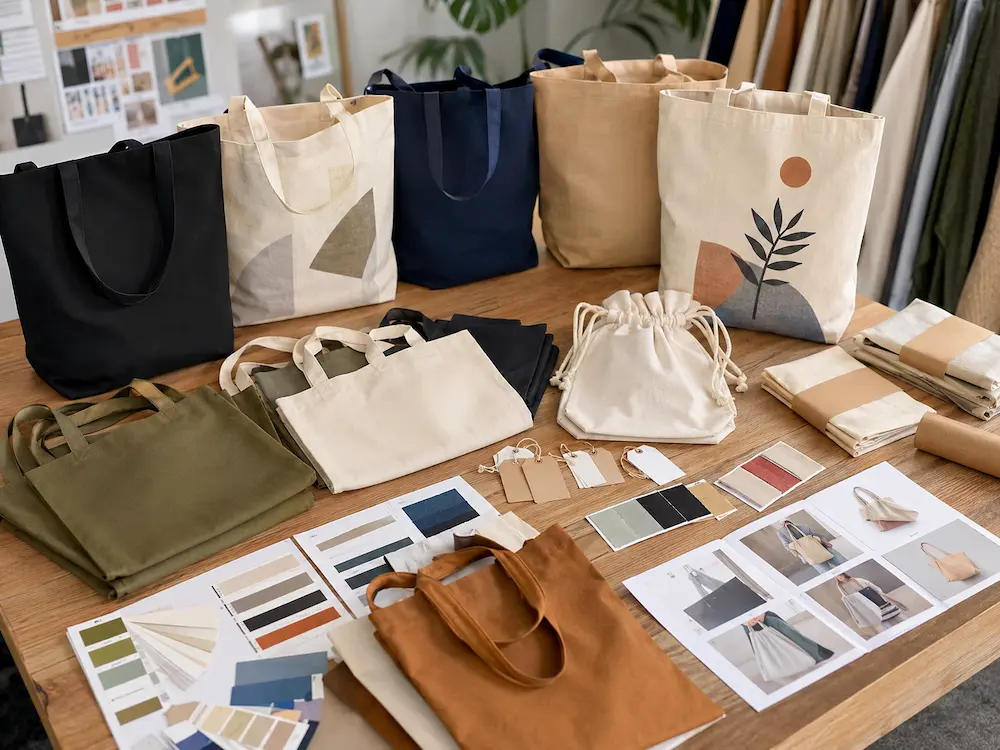
Tote bags are more than carry bags for retail stores. They can function as reusable shopping bags, branded packaging, paid merchandise, gift-with-purchase items, and long-term brand exposure tools. In many retail environments, a tote bag becomes one of the few branded items that customers continue using long after leaving the store.
A well-designed retail tote bag continues promoting the store after the customer leaves. A poor-quality tote bag may be used once, forgotten, or discarded.
That is why retail buyers should choose tote bags carefully. The right tote bag should match the store category, customer lifestyle, product weight, brand image, sustainability goals, and budget. Factors such as material selection, fabric weight, handle construction, printing quality, size, and gusset design all contribute to how customers perceive and use the bag over time.
For retail stores, the best tote bag is not simply the cheapest option. It is the bag customers actually want to carry again. When a tote bag combines practicality, durability, comfort, and attractive design, it becomes a valuable extension of the brand rather than just a packaging expense. Long-term reuse creates stronger customer engagement, greater brand exposure, and a better return on investment for the retailer.
Start with the Retail Purpose
Before choosing material or printing, define how the tote bag will be used.
Retail tote bags commonly serve several purposes:
| Retail Purpose | Best Tote Bag Direction |
|---|---|
| Shopping Bag | Durable, practical, comfortable |
| Retail Merchandise | Premium, attractive, sellable |
| Gift Packaging | Smaller, elegant, well-finished |
| Loyalty Gift | Branded, reusable, higher perceived value |
| Sustainability Programme | Natural or recycled materials |
| Seasonal Promotion | Creative colours and limited artwork |
A supermarket tote, bookstore tote, fashion store tote, and gift shop tote should not use the same specifications. For broad retail branding, custom tote bags for brand reach and recognition are useful because they can support both store packaging and long-term public visibility.
Choose the Right Material
Material determines feel, durability, print quality, and customer perception. Common retail tote bag materials include cotton, canvas, organic cotton, recycled cotton, and RPET.
| Material | Best For | Main Advantage |
|---|---|---|
| Cotton | General retail and promotions | Soft, natural, cost-effective |
| Canvas | Premium retail and reusable shopping | Durable and structured |
| Organic Cotton | Eco-focused brands | Strong sustainability positioning |
| Recycled Cotton | Sustainable retail campaigns | Responsible material story |
| RPET | Lightweight reusable bags | Recycled plastic positioning |
Cotton works well for lightweight retail packaging and everyday use. Canvas is better for stores that want a stronger reusable bag or sell tote bags as merchandise.
For brands seeking stronger environmental and retail value, custom canvas tote bags for sustainable brand impact are often a better choice than very thin giveaway-style bags.
Cotton Tote Bags for Everyday Retail Use
Cotton tote bags are popular because they are versatile, printable, and approachable.
They work well for:
- Bookstores
- Cafés
- Museums
- Beauty shops
- Small boutiques
- Lifestyle stores
- Community retail campaigns
Cotton bags feel natural and easy to carry. They are also suitable for simple logo printing and medium-volume retail programmes. However, buyers should choose fabric weight carefully. Too light, and the bag may feel disposable. Too heavy, and the cost may increase unnecessarily. For everyday retail use, medium cotton fabric usually offers the best balance.
Canvas Tote Bags for Premium Retail Stores
Canvas tote bags usually feel stronger and more premium. They are suitable for stores that want the bag to become part of the customer’s lifestyle.
Canvas works especially well for:
- Fashion retail
- Bookstores
- Art stores
- Organic markets
- Premium gift shops
- Sustainable lifestyle brands
Canvas has better structure, higher perceived value, and stronger long-term reuse potential. It also works well with minimalist logo designs and natural colour palettes.
For stores that want both durability and branding, custom printed canvas tote bags for sustainable brand presence are a strong option because they combine reusable value with a more premium brand impression.
Choose the Right Tote Bag Size
Size affects usability, cost, shipping, and retail presentation.
| Size Type | Best Retail Use |
|---|---|
| Small Tote | Gifts, cosmetics, accessories |
| Medium Tote | Books, apparel, everyday shopping |
| Large Tote | Grocery, homeware, supermarket use |
| Gusseted Tote | Bulkier retail products |
| Flat Tote | Lightweight packaging and events |
Medium tote bags are usually the safest option for most retail stores because they offer enough capacity without becoming bulky Large tote bags are better for supermarkets, grocery stores, homeware shops, and larger products. Small tote bags work well for gift packaging, cosmetics, jewellery, and boutique retail.
Consider Gusset Depth
A gusset gives the tote bag additional depth and significantly increases carrying capacity. By expanding the bottom or sides of the bag, a gusset allows the tote to accommodate bulkier products more comfortably while improving overall stability during use.
Flat tote bags are easier to fold, store, and ship, making them a popular choice for promotional giveaways, trade shows, and lightweight retail applications. They are generally more economical to produce and offer excellent packing efficiency. However, they hold fewer bulky or irregularly shaped items and may become less practical when carrying larger purchases.
Gusseted tote bags are often a better choice for:
- Grocery stores
- Wine shops
- Gift shops
- Supermarkets
- Homeware retailers
- Bookstores with bulky items
The additional depth helps customers carry products more securely while improving the overall shopping experience. Gusseted designs also allow the bag to stand more naturally when filled, which can enhance both functionality and perceived quality.
A retail bag should always match what customers actually buy. If the store sells boxed products, groceries, home goods, multiple books, or other high-volume items, gusset depth becomes an important design consideration. Selecting the right gusset size helps improve usability, increase customer satisfaction, and encourage long-term reuse of the tote bag.
Choose Comfortable Handles
Handles affect reuse more than many buyers realise.
If handles are too short, too narrow, or weakly stitched, customers may stop using the bag.
| Handle Type | Best For |
|---|---|
| Short Handles | Boutique packaging and gift bags |
| Long Shoulder Handles | Daily retail shopping |
| Cotton Webbing Handles | Premium and heavy-use bags |
| Rope Handles | Gift and fashion presentation |
For most retail stores, long shoulder handles are the most practical choice because customers can carry the bag comfortably while shopping or walking Premium canvas bags may use webbing handles for better durability and comfort.
Printing and Branding Strategy
Retail tote bags should display the brand clearly without looking too aggressive.
Large logos can work for events, but retail customers often prefer cleaner and more wearable designs.
Good branding choices include:
- Small centre logo
- Minimal typography
- One-colour print
- Subtle corner logo
- Seasonal artwork
- Store slogan
- Local illustration
For premium stores, subtle branding often performs better because customers are more willing to carry the bag in public. For creative stores, artwork-based designs may sell better than plain logo bags.
Printing Method Comparison
| Printing Method | Best For | Cost Level |
|---|---|---|
| Screen Printing | Simple logos and larger orders | Low at scale |
| Digital Printing | Full-colour artwork | Medium |
| Heat Transfer | Detailed short-run designs | Medium |
| Embroidery | Premium branding | High |
Screen printing is usually best for retail bags with simple logos. Digital printing is better for artwork-heavy designs. Embroidery works well for premium retail, but it increases cost. For retail stores using tote bags as merchandise, print quality matters because customers judge the bag as a product, not just packaging.
Colour Selection for Retail Stores
Colour affects how often customers reuse the bag.
Popular retail tote bag colours include:
- Natural beige
- Black
- Navy
- Olive
- Sage
- Charcoal
- Cream
- Grey
Natural and earth-tone colours work well for sustainable, bookstore, café, and lifestyle brands. Black and navy work well for fashion, corporate, and premium retail Bright colours can be effective for seasonal promotions but may be less reusable for everyday styling. Retail stores should choose colours that match customer lifestyle, not only brand preference.
Tote Bags as Retail Merchandise
Many stores now sell tote bags as products instead of giving them away.
This works especially well for:
- Bookstores
- Museums
- Art shops
- Fashion brands
- Tourist stores
- Lifestyle retailers
If the tote bag is sold as merchandise, it needs better design, stronger fabric, and cleaner finishing Products such as <personalized canvas tote bags for distinct brand expression can help retail stores create more unique, sellable products that feel less generic than standard promotional bags.
Tote Bags for Sustainable Retail Packaging
Retail customers increasingly expect reusable packaging options.
A tote bag can support sustainability when it is:
- Durable
- Reusable
- Practical
- Well-made
- Not over-packaged
- Clearly aligned with brand values
However, sustainability depends on reuse. A weak tote bag that customers do not keep is not a strong sustainable solution. Retail stores should focus on products customers genuinely want to use repeatedly.
Alternative Lightweight Retail Bags
Classic tote bags are not always the only option.
Some retail stores use lightweight drawstring bags for small items, kits, accessories, or promotional packaging.
For example, cotton drawstring bags designed for lightweight reusable use can work well for cosmetics, small gifts, jewellery, wellness products, and lightweight retail sets. They are compact, reusable, and suitable for brands that want a softer packaging format.
Packaging Options for Retail Tote Bags
Retail tote bags may need packaging depending on sales channel.
| Packaging Option | Best For |
|---|---|
| Bulk Packing | Store use and giveaways |
| Individual Polybag | E-commerce and inventory control |
| Kraft Sleeve | Eco retail presentation |
| Hang Tag | Merchandise and product information |
| Gift Box | Premium retail and corporate gifting |
If tote bags are sold as merchandise, hang tags and kraft sleeves can improve perceived value If tote bags are used as shopping bags, bulk packing may be more economical.
Cost vs Value
The cheapest tote bag is not always the best retail choice.
Retail stores should calculate value based on:
- Reuse potential
- Customer satisfaction
- Brand visibility
- Product lifespan
- Perceived quality
- Cost per use
A slightly more expensive canvas tote may create stronger brand exposure if customers use it regularly. A cheap tote may save money upfront but reduce brand value if it feels disposable.
Retail Store Use Case Comparison
| Store Type | Recommended Tote Bag |
|---|---|
| Bookstore | Medium cotton or canvas tote |
| Fashion Boutique | Black or natural canvas tote |
| Grocery Store | Large gusseted canvas tote |
| Gift Shop | Small or medium printed tote |
| Beauty Store | White, cream, or pastel cotton tote |
| Museum Shop | Artwork printed canvas tote |
| Organic Market | Natural or recycled cotton tote |
| Lifestyle Store | Minimalist canvas tote |
Matching tote bag style to store type improves customer adoption and increases the likelihood that customers will continue using the bag after their purchase. When the design, size, material, and functionality align with the products being sold, the tote bag feels more useful and relevant to everyday needs.
By aligning tote bag style with the retail environment and customer expectations, businesses can create a better shopping experience, strengthen brand perception, and generate longer-term brand visibility through repeated everyday use.
Quality Checklist Before Ordering
Before placing a retail tote bag order, buyers should check:
| Quality Point | Why It Matters |
|---|---|
| Fabric Weight | Affects durability and feel |
| Handle Strength | Affects comfort and reuse |
| Stitching Quality | Prevents early failure |
| Print Clarity | Protects brand image |
| Size Accuracy | Supports product fit |
| Packaging | Affects retail presentation |
| Colour Consistency | Maintains brand identity |
Samples are important because digital mockups cannot fully show fabric feel, handle comfort, and print texture.
MOQ and Lead Time Planning
Retail stores should plan orders early Typical custom tote bag production may require:
| Stage | Typical Time |
|---|---|
| Sample Production | 3–7 days |
| Sample Approval | 1–5 days |
| Mass Production | 15–30 days |
| Shipping | 3–45 days |
MOQ often depends on fabric, printing method, and customization level. For standard cotton or canvas bags, MOQ is often easier to manage. Custom dyed fabric, special packaging, or complex printing may require higher minimums.
Common Mistakes Retail Buyers Should Avoid
Choosing Based Only on Price
Low-cost bags may damage the store’s image if they feel weak.
Ignoring Customer Lifestyle
A fashion boutique and a grocery store need very different bags.
Overusing Large Logos
Retail customers usually prefer bags they can carry naturally.
Skipping Samples
Samples help confirm fabric, size, colour, printing, and handle comfort.
Ignoring Shipping Volume
Large or heavy bags increase freight and storage costs.
How to Work with a Tote Bag Supplier
A reliable supplier should help with:
- Material selection
- Size recommendation
- Print method comparison
- Sample development
- MOQ planning
- Packaging advice
- Quality inspection
- Export shipping
Good suppliers do not simply quote prices. They help buyers avoid product mistakes. Retail tote bag sourcing works best when the supplier understands both manufacturing and retail presentation.
Conclusion
Choosing tote bags for retail stores requires more than selecting a fabric and adding a logo. Retail buyers should evaluate purpose, material, size, handles, printing, colour, packaging, quality, MOQ, and customer reuse.
Cotton tote bags work well for accessible daily retail use. Canvas tote bags are better for premium stores, merchandise, and sustainability-focused branding. Drawstring bags can support lightweight retail packaging for smaller items.
The best retail tote bags are useful, attractive, durable, and aligned with the store’s brand identity A tote bag should not only carry products out of the store. It should carry the brand back into the customer’s daily life.
How Retail Brands Should Think About Tote Bag Selection
Retail tote bags serve multiple roles: They can function as shopping bags, product packaging, merchandise, loyalty gifts, and long-term brand visibility tools.
Material affects perception: Cotton tote bags feel approachable and practical, while canvas tote bags usually create stronger durability and premium retail value.
Usability drives reuse: Customers are more likely to keep bags that have the right size, comfortable handles, attractive colours, and balanced branding.
Retail presentation matters: Hang tags, kraft sleeves, and clean packaging can make tote bags feel more like products than simple carry bags.
The broader takeaway: The best retail tote bag is not simply the cheapest bag. It is the bag that fits the store’s brand, product category, customer habits, and long-term reuse goals. Youngpack supports B2B retail brands with custom tote bag manufacturing, printing, sampling, packaging, and export-ready production.
FAQ
1. What type of tote bag is best for retail stores?
Medium cotton or canvas tote bags are usually best for retail stores because they balance usability, branding space, durability, and cost.
2. Are canvas tote bags better for retail merchandise?
Yes. Canvas tote bags usually feel more premium and durable, making them suitable for retail merchandise, bookstores, fashion shops, and lifestyle brands.
3. What size tote bag should retail stores choose?
Medium tote bags are best for most retail uses. Large gusseted tote bags are better for groceries, homeware, and bulky products.
4. Should retail tote bags use large logos?
Not always. Subtle logos often encourage more reuse because customers prefer bags that feel stylish and natural in daily life.
5. Are drawstring bags useful for retail stores?
Yes. Cotton drawstring bags work well for small gifts, cosmetics, jewellery, wellness products, and lightweight retail packaging.
References
- Retail Packaging Design Handbook
- Textile Exchange — Preferred Fiber and Materials Market Report
- Retail Merchandising and Store Branding Guide
- Reusable Shopping Bag Product Development Reference
- Cotton and Canvas Fabric Performance in Retail Applications
- Sustainable Packaging Best Practices Guide
- Promotional Product Quality Control Standards
- International Retail Sourcing and Export Packaging Guide
Editorial Rights Notice:
The editorial content on this page was prepared by Xiamen Youngpack Imp.and Exp.Co.,Ltd. for our website visitors and business partners. Please do not reuse it without written approval.